
Early Signs of Brain Stroke
Understanding Brain Stroke
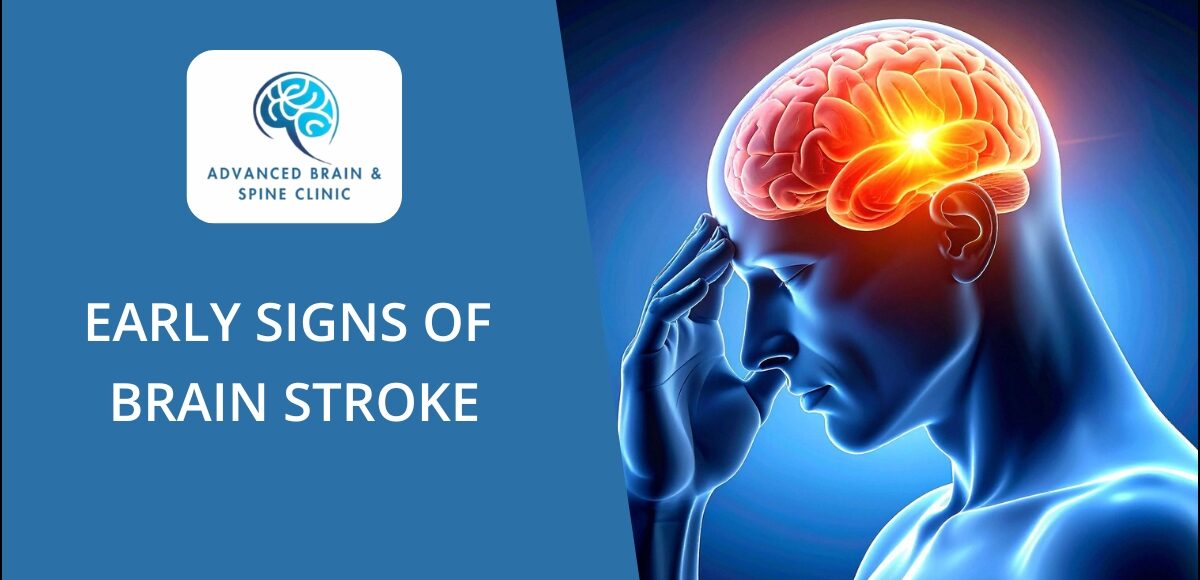
A brain stroke occurs when the blood supply to part of your brain is interrupted or reduced, preventing brain tissue from getting oxygen and nutrients. Brain cells begin to die within minutes, making stroke a medical emergency that requires immediate attention. Recognizing the early warning signs can mean the difference between recovery and permanent disability, or even life and death.
The Crucial Early Warning Signs: Remember “FAST”
Medical professionals use the acronym FAST to help identify stroke symptoms quickly:
F – Face Drooping
- One side of the face droops or feels numb
- Ask the person to smile – is the smile uneven?
- Numbness or paralysis typically affects one side
A – Arm Weakness
- One arm becomes weak or numb
- Ask the person to raise both arms – does one arm drift downward?
- Sudden weakness or numbness in one leg may also occur
S – Speech Difficulty
- Speech becomes slurred or difficult to understand
- The person may be unable to speak or hard to understand
- Ask them to repeat a simple sentence
T – Time to Call Emergency Services
- If someone shows any of these symptoms, even if they go away
- Note the time when symptoms first appeared
- Call emergency services immediately – every minute counts
Additional Stroke Symptoms Beyond FAST
While FAST covers the most common signs, strokes can present with other symptoms:
- Sudden Numbness: Especially on one side of the body (face, arm, or leg)
- Confusion: Trouble speaking or understanding speech
- Vision Problems: Sudden trouble seeing in one or both eyes
- Walking Difficulties: Dizziness, loss of balance, or coordination problems
- Severe Headache: Sudden, severe headache with no known cause
- TIA (Mini-Stroke): Temporary symptoms that resolve but require immediate medical attention as they often precede a major stroke
Why Timing is Critical
The “golden hour” – the first 60 minutes after stroke onset – is crucial for treatment:
- Clot-busting medications (tPA) are most effective when administered within 4.5 hours
- Earlier treatment minimizes brain damage and improves recovery chances
- Each minute delay results in the loss of approximately 1.9 million neurons
Risk Factors and Prevention
While some risk factors like age and family history can’t be changed, many can be managed:
- High blood pressure (the leading controllable risk factor)
- Smoking and tobacco use
- Diabetes
- High cholesterol
- Physical inactivity and obesity
- Atrial fibrillation and heart disease
What to Do If You Suspect a Stroke
- Call emergency services immediately – don’t drive the person yourself
- Note the time when symptoms first appeared
- Keep the person comfortable – have them lie down with head slightly elevated
- Do not give food, drink, or medication
- Monitor symptoms and be prepared to inform medical personnel
Recovery and Rehabilitation
Early intervention continues to be important during recovery:
- Rehabilitation often begins within 24-48 hours after stroke
- Physical, occupational, and speech therapy are crucial
- Support systems significantly impact recovery outcomes
Meet Dr. Chetna Patil – Best Neurologist in Pune
Seeking expert brain stroke care in Pune, Dr. Chetna Patil stands out as a leading brain stroke specialist in Pune with extensive experience in acute stroke management and neurorehabilitation.