
Stroke Treatment by Dr. Chetna Patil
Stroke is a medical emergency that occurs when the blood supply to the brain is disrupted, either due to a blockage (ischemic stroke) or bleeding (hemorrhagic stroke). Prompt and appropriate treatment is crucial to minimize brain damage, improve recovery, and prevent long-term complications. Dr. Chetna Patil, a renowned neurologist and stroke specialist, provides expert care in the management and rehabilitation of stroke patients.
Early Diagnosis and Assessment
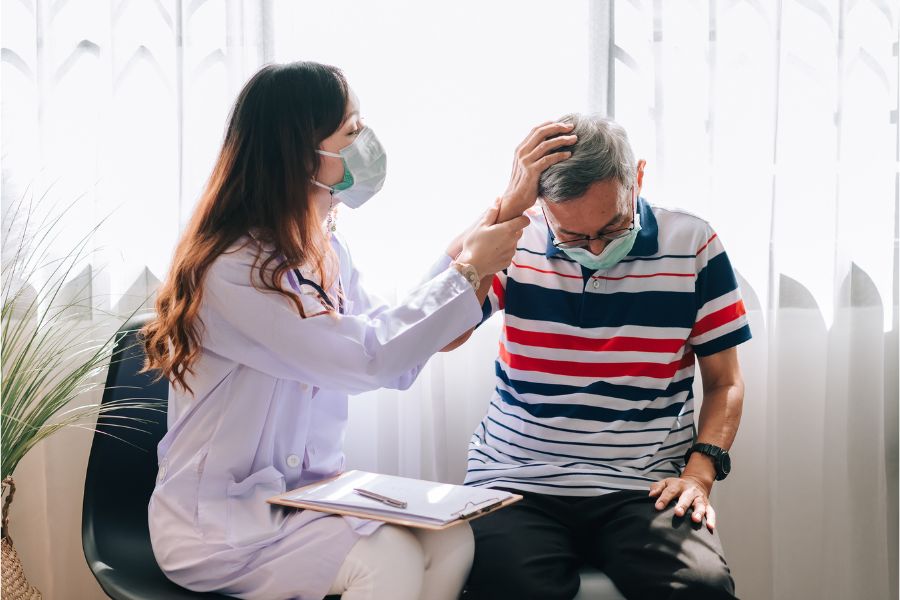
Dr. Patil emphasizes rapid assessment as the cornerstone of effective stroke management. On presentation, patients undergo a thorough evaluation, including:
- Clinical examination to assess neurological deficits such as weakness, speech difficulties, and coordination problems.
- Imaging studies, including CT scans or MRI, to identify the type of stroke and the affected brain area.
- Blood tests and cardiovascular evaluation to detect underlying risk factors such as high blood pressure, diabetes, cholesterol disorders, and clotting abnormalities.
Early diagnosis allows Dr. Patil to implement the most appropriate treatment plan and prevent further brain injury.
Acute Stroke Management
The treatment strategy depends on the type of stroke:
1. Ischemic Stroke (caused by a blood clot):
- Dr. Patil administers thrombolytic therapy (clot-busting medications) within the critical window to dissolve the clot and restore blood flow.
- In selected cases, mechanical thrombectomy may be performed, a procedure to physically remove the clot from the blocked artery.
2. Hemorrhagic Stroke (caused by bleeding):
- Dr. Patil carefully monitors and manages blood pressure and intracranial pressure to prevent further bleeding.
- Surgical interventions may be performed when necessary, such as clipping or coiling of aneurysms, or evacuation of a hematoma.
Post-Stroke Rehabilitation
Recovery after stroke is a gradual process, and Dr. Patil ensures a multidisciplinary rehabilitation plan, including:
- Physiotherapy to regain strength, coordination, and mobility.
- Occupational therapy to restore daily living activities such as dressing, writing, and cooking.
- Speech and language therapy for patients with speech or swallowing difficulties.
- Cognitive rehabilitation to improve memory, attention, and problem-solving abilities.
Lifestyle and Preventive Strategies
Dr. Patil emphasizes that preventing recurrence is as important as treating the initial stroke. Patients receive personalized guidance on:
- Controlling risk factors such as hypertension, diabetes, and high cholesterol.
- Adopting a heart-healthy diet and maintaining an active lifestyle.
- Medications such as antiplatelets, anticoagulants, or statins when indicated.
- Regular follow-ups to monitor progress and adjust treatment as needed.
Frequently Asked Questions
A stroke occurs when the blood supply to a part of the brain is interrupted or reduced, preventing brain tissue from getting enough oxygen and nutrients. Brain cells begin to die within minutes. There are two main types of stroke:
Ischemic stroke – caused by a blockage in an artery supplying blood to the brain. This is the most common type and is often due to blood clots or fatty deposits (atherosclerosis).
Hemorrhagic stroke – caused by a blood vessel in the brain bursting, leading to bleeding in or around the brain. This can happen due to high blood pressure, aneurysms, or weakened blood vessels.
Common risk factors for stroke include:
High blood pressure
Diabetes
High cholesterol
Smoking and alcohol use
Heart diseases, like atrial fibrillation
Obesity and physical inactivity
Family history of stroke
Understanding and controlling these risk factors can help prevent a stroke.
Yes, stroke can be life-threatening and may cause death if not treated promptly. A stroke occurs when blood flow to a part of the brain is blocked (ischemic stroke) or when a blood vessel in the brain bursts (hemorrhagic stroke). Both situations can lead to brain damage.
The severity of a stroke depends on the type, location, and extent of brain injury. Severe strokes can affect critical areas that control breathing, heart function, or consciousness, which can result in death. Rapid medical intervention is crucial to improve survival and reduce complications.
Key points:
Stroke is a medical emergency.
Early treatment can save lives and reduce long-term disability.
Risk factors like high blood pressure, diabetes, smoking, and heart disease increase the chance of severe stroke.
Stroke cannot always be completely “cured,” but it can be effectively treated, and many patients can recover significant function with proper care. The goal of treatment is to minimize brain damage, prevent complications, and help patients regain independence.
Immediate treatment: Rapid medical intervention during a stroke can save lives and reduce long-term disability. Treatments may include clot-busting medications, surgery, or procedures to restore blood flow.
Rehabilitation: Physical therapy, occupational therapy, speech therapy, and psychological support are crucial for recovery. Early and consistent rehabilitation can significantly improve outcomes.
Lifestyle and prevention: Controlling risk factors like high blood pressure, diabetes, high cholesterol, smoking, and sedentary lifestyle reduces the chance of another stroke.
While some effects of a stroke may be permanent, many people regain independence and lead fulfilling lives with timely treatment and ongoing care.
Patient-Centered Care
Dr. Patil’s approach is holistic and patient-focused, ensuring that families are educated about stroke, its complications, and recovery strategies. She believes in early intervention, personalized treatment, and consistent rehabilitation, which together significantly improve the quality of life of stroke survivors.
Book an Appointment with The Best Neurologist in Pune & PCMC

Dr. Chetna Patil is a highly qualified neurologist, neurophysician in PCMC, Pune. She practices at Advanced Brain & Spine Clinic in Wakad, Pune. She has 12+ years of experience of treating patients with neurological diseases.
Our Services
Wakad
- +91 80108 66994
- Shop No. 115, 1st Floor, WESTWOOD ESTATES, opp. Mont Vert Tropez Road, Kaspate Wasti, Wakad, Pimpri-Chinchwad - 411057
- Mon to Sat/ 8 AM–10 PM
- absclinicwakad@gmail.com
Location
Copyright © 2026 – All rights reserved. Created and Maintained by – DMX DIGITAL
WhatsApp us